DE ZONNEHOF
Master Design Studio: Heritage & Architecture
Museum for Design, Architecture and Interior

Museum for Design, Architecture and Interior
Master Architectural Design Studio: Heritage & Architecture, September 2020 - January 2021
Rietveld Pavilion 'De Zonnehof', Amersfoort, the Netherlands
Researching & Site Analysis, Sketching & Drawing, Form Studies, 3d Computer Designing, Modeling, Rendering
SketchUp & Lumion
Entrance area, wardrobe, toilets, shop, museum, exhibition space, office, installation rooms, elevator, library, archive, public café, rooftop terrace, conservation studio, storage.
“Heritage & Design is a dynamic and innovative field of architecture that deals with the architectural re-interpretation, adaptive re-use and restoration of historic buildings. In this professional field the starting point for design is not just a functional brief and a blank sheet of paper but the challenge of an existing spatial setting and cultural-historical context.” - Prof. Wessel de Jonge (Interview B-Nieuws, nr 06, 2015-2016)
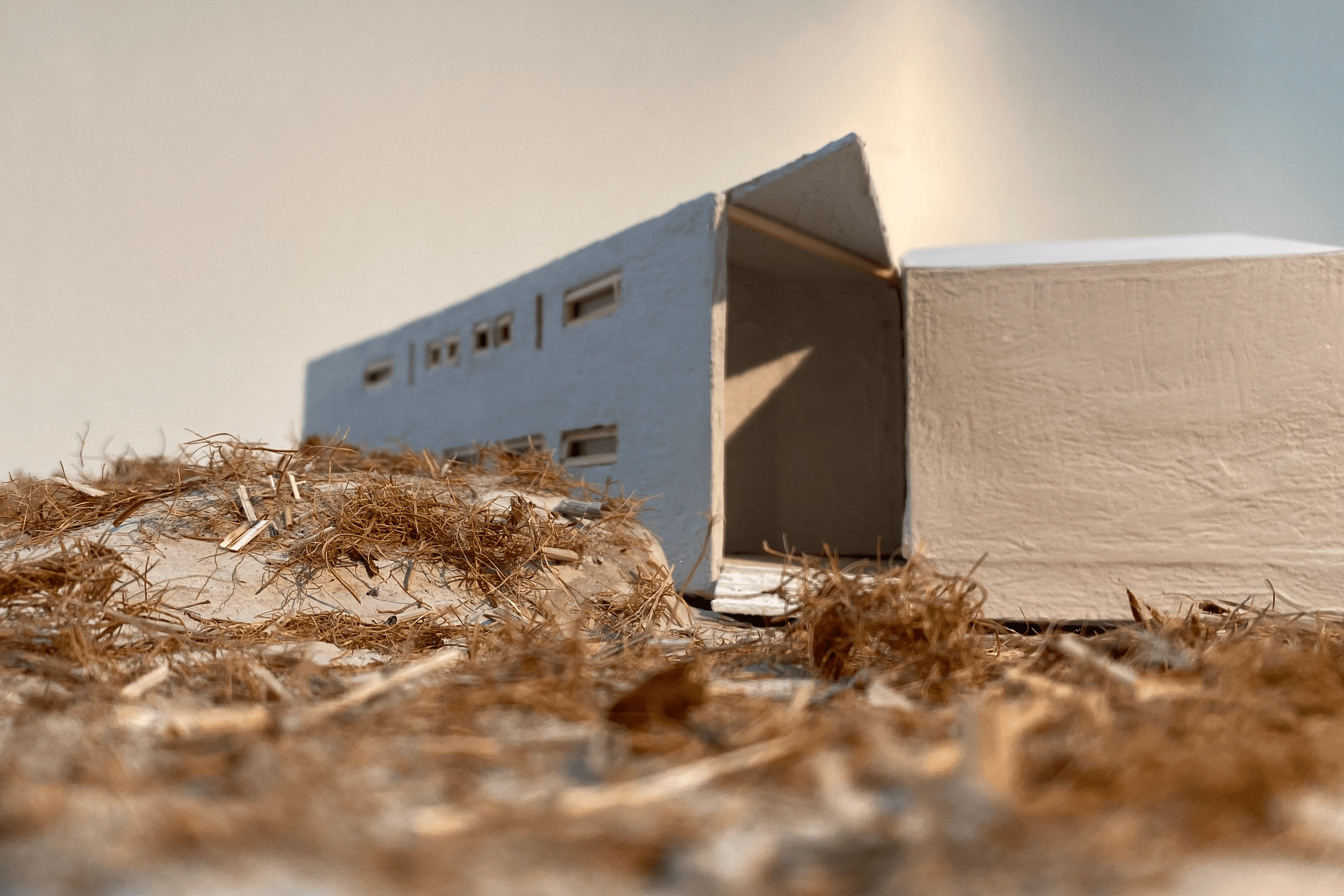
In this studio, the architectural and cultural values of existing buildings in the context of their surroundings was appreciated. The Rietveld Pavilion 'De Zonnehof' in Amersfoort, designed by Gerrit Rietveld in 1957, served as the focus. The project's challenge lay in modifying this protected building to meet contemporary needs, including usage, comfort, and sustainability. The building's exact proportions, alongside its refined detailing and materialization, ask for a clear and considered design approach.

For the transformation of De Zonnehof, extensive analysis and research were undertaken, culminating in the establishment of a framework where everything was evaluated. Red signifies high value. This framework for transformation highlighted the building's core qualities to me: the simplicity and practicality of space and light.


The analysis, the transformation framework, and the ultimately distilled essence of the building informed the foundational principles for the transformation. The two principal considerations are 'respecting the heritage' and 'establishing connections'. This encompasses the grid and materials employed by Rietveld, given their significant value. The heritage aspect also includes Rietveld's design principles, such as the utilization of natural light, spatial quality, and the pathway through the pavilion. Moreover, an enhanced connection with the park is essential, not only from the perspective of design but also through sightlines from within the building. Ultimately, the aim is for the pavilion and the park to emerge as a destination for visitors, rather than merely a transit point.

A sunlight analysis was conducted to determine the levels of light in the morning and afternoon, from both the ground and first floors.


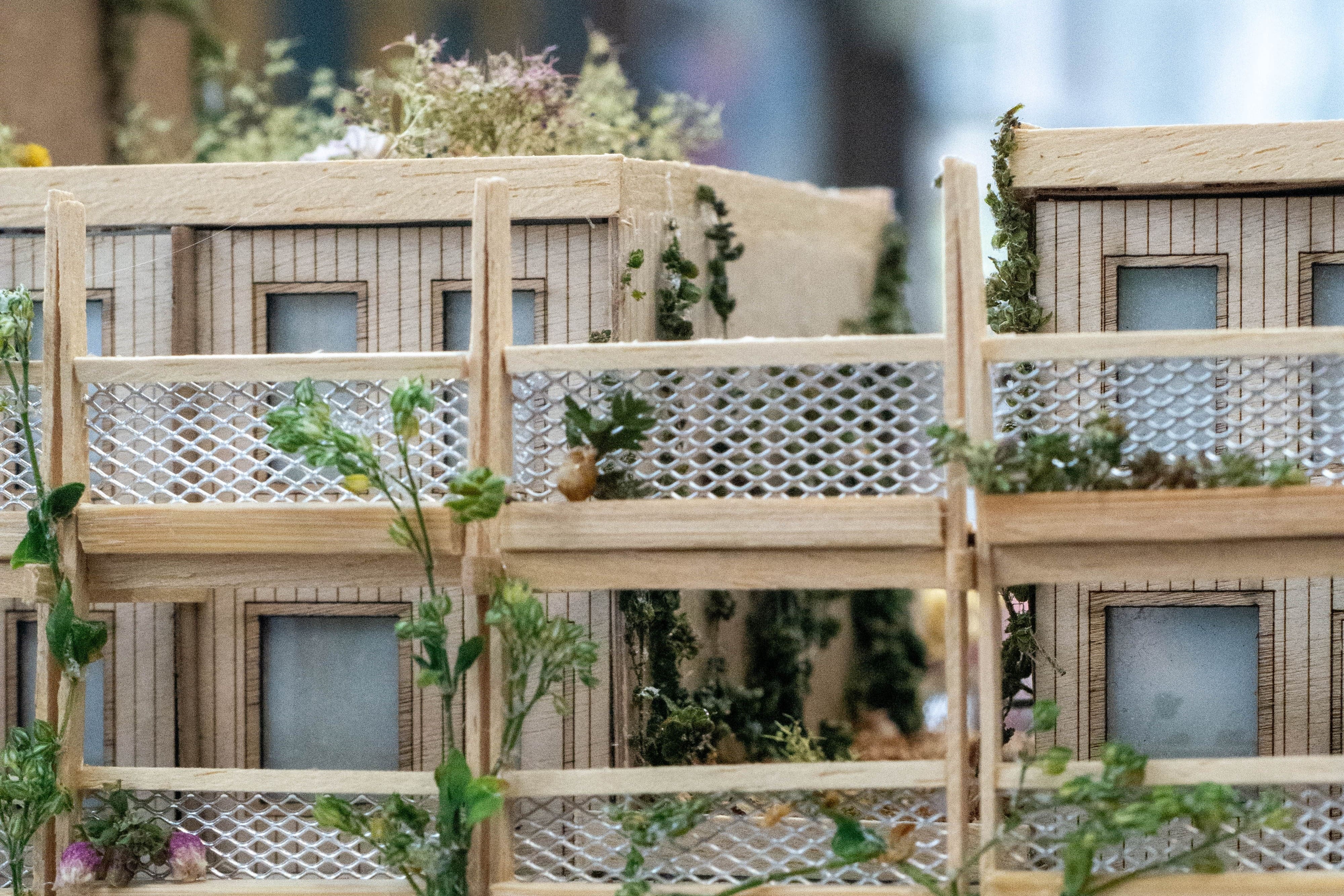
3D model and computational drawings of the connection between the façade and the roof (ground & first floor).


As demonstrated in the research section, the structure, space, surfaces, dimensions, and grid of the building have been analysed and appreciated. The grid possesses a certain monumental value and ensures the preservation of the the zeitgeist.


The load-bearing structure fits exactly on Rietveld's grid. A new foundation with columns will support the extension of the building. The new glass façades and curtain walls are made of special ‘monumental glass’. The original structure will be reused and a new brick façade covers the building so that it appears as a whole.
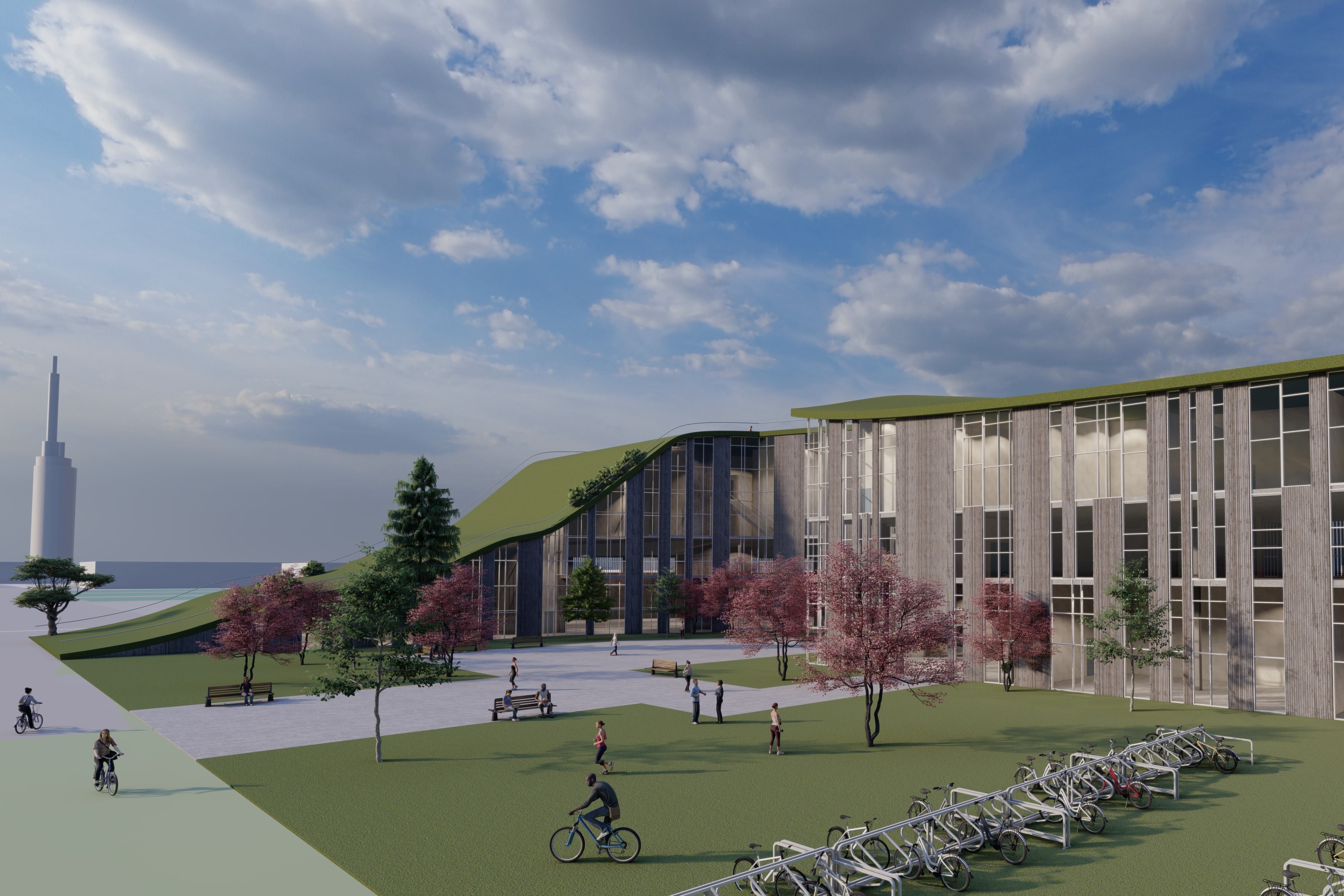
An additional floor will be added to the existing structure to expand the museum. The existing route within the building will be extended, guiding visitors through the use of natural light. There is a green roof to provide extra insulation and purification of water, and, obviously, it contributes to the connection with the park. Rainwater is collected and solar panels on the roof contribute to the use of the heat exchanger and heat pump which provides the cooling and heating in the building. The greywater will be used for flushing the toilets, the sprinkler system, and water for plants. Fresh air comes in through the original chimney to the installation room where the heated or cooled air will be blown into the rooms and the air gets extracted through ventilation grilles.


Respecting Rietveld's design principles, and thus honouring the heritage, resulted in a cohesive design for the pavilion and provided significant learning experiences. The renovation of the pavilion, featuring its sightlines, glass façades, internal mini-courtyard, external gallery, and public café, has transformed De Zonnehof and the surrounding park into a focal point for both visitors and the local community. It stands as a splendid venue where art and nature are celebrated together.


The museum and exhibition pathway, illuminated by natural light, ensures a unique visit with panoramic views. Detailed planning enhances the entrance's visibility and accessibility, including necessary facilities and an elevator for inclusivity. The design incorporates staff amenities, a library, archives, and a conservation studio, all benefiting from natural light.
The journey extends to a second-floor exhibition space, offering immersive vistas and a connection with nature through innovative architectural features. The experience is enriched by the integration of art within a natural setting, concluding with an outdoor gallery and a café, emphasizing community engagement and cultural enrichment.